
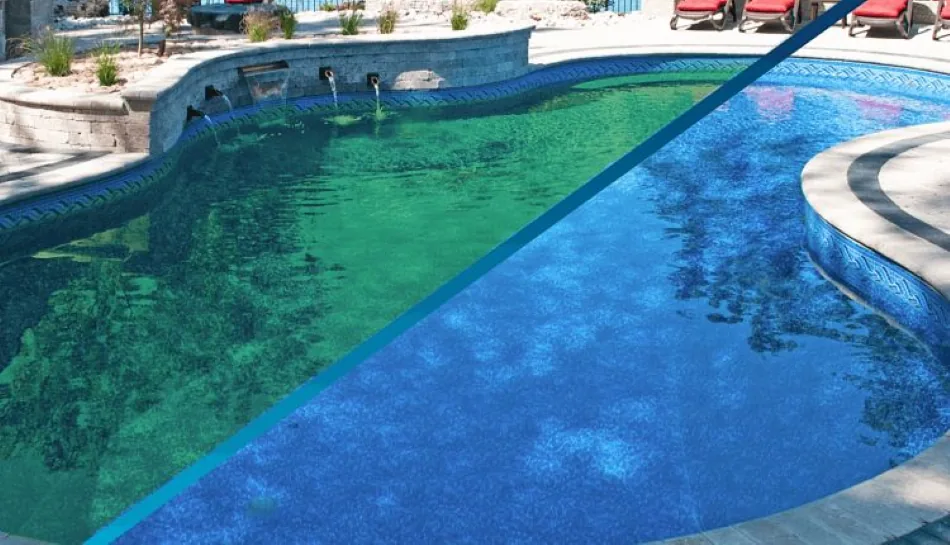
Algae turns your pool green and makes swimming unpleasant, but you can fix it with the right approach. Professional pool services in Spicewood know that clearing algae requires identifying the type, balancing your water chemistry, and maintaining proper filtration. This guide walks you through each step to remove algae and keep your water sparkling clean. You’ll learn how to shock your pool correctly, scrub away stubborn growth, and prevent future algae blooms. Follow these steps and your pool will stay crystal clear all season long.
Identifying the Algae Type
Start by looking closely at your pool to identify the type of algae you’re dealing with. Green algae is the most common; it turns water greenish and makes surfaces slippery. Mustard algae looks yellow and resists normal treatments better than green algae. Black algae appears dark and grows deep roots into pool surfaces, making it the hardest to remove. Use a pool brush to scrub your walls and floor, checking for discolored spots or slimy patches. Pay attention to your water’s color and clarity for clues about which type you have. Once you know the type of algae, you can choose the best treatment method.
Adjusting Ph Levels
Balanced pH keeps your pool water comfortable and your chlorine working properly. The pH scale runs from 0 to 14, with seven being neutral. Your pool water should stay between 7.2 and 7.6 for the best results. Low pH (acidic water) irritates the skin and eyes, damages equipment, and reduces chlorine’s effectiveness. High pH (alkaline water) can cause cloudy water, scaling, and weaken your sanitizer. Use a pH increaser (sodium carbonate) to raise pH, or a pH decreaser (sodium bisulfate) to lower it. Test and adjust your pH regularly to keep your pool healthy and clear.
Shocking the Pool
Shocking your pool means adding a large dose of chlorine to kill algae, bacteria, and organic matter. This deep cleaning makes your water safe and crystal clear for swimming. Follow the manufacturer’s directions carefully. The amount you need depends on your pool’s size and condition. Shock your pool at night or in the evening so sunlight doesn’t break down the chlorine too quickly. Test your water after shocking and wait until chlorine levels drop back to normal before jumping in. Regular shocking prevents algae from taking over your pool.
Scrubbing and Brushing
After shocking, you need to physically remove dead algae and debris from your pool surfaces. Scrubbing breaks up algae colonies and prevents them from coming back. Here’s how to clean thoroughly:
- Use a pool brush: Scrub the walls and floor to break up algae and debris.
- Brush corners and crevices: Focus on hard-to-reach spots where algae love to hide.
- Scrub the waterline: Remove visible algae or grime along the pool’s waterline.
- Brush the steps and ladders: Clean these areas thoroughly, as algae can hide there and regrow quickly.
Improving Your Filtration System
A good filtration system keeps your water clear and stops algae before it starts. Consider upgrading to a better filter that catches smaller particles. Sand filters work well, but cartridge filters provide finer filtration for clearer water. Backwash your filter regularly to remove trapped dirt and keep it running at peak performance. A variable-speed pump improves circulation and filtration while using less energy. Make sure your pump matches your pool’s size for the best efficiency. Better filtration means less algae and clearer water.
Regular Maintenance Tips
Consistent maintenance prevents algae from becoming a problem. Follow these tips to keep your pool crystal clear:
- Monitor and maintain proper chemical levels: Test and adjust chlorine, pH, alkalinity, and sanitizer levels regularly.
- Skim and brush frequently: Remove debris with a skimmer and brush walls and floors to prevent algae buildup.
- Run the filter daily: Keep it running long enough each day to trap algae and particles.
- Shock the pool when needed: Use pool shock treatment regularly to kill algae and bacteria, especially after heavy use or rain.