
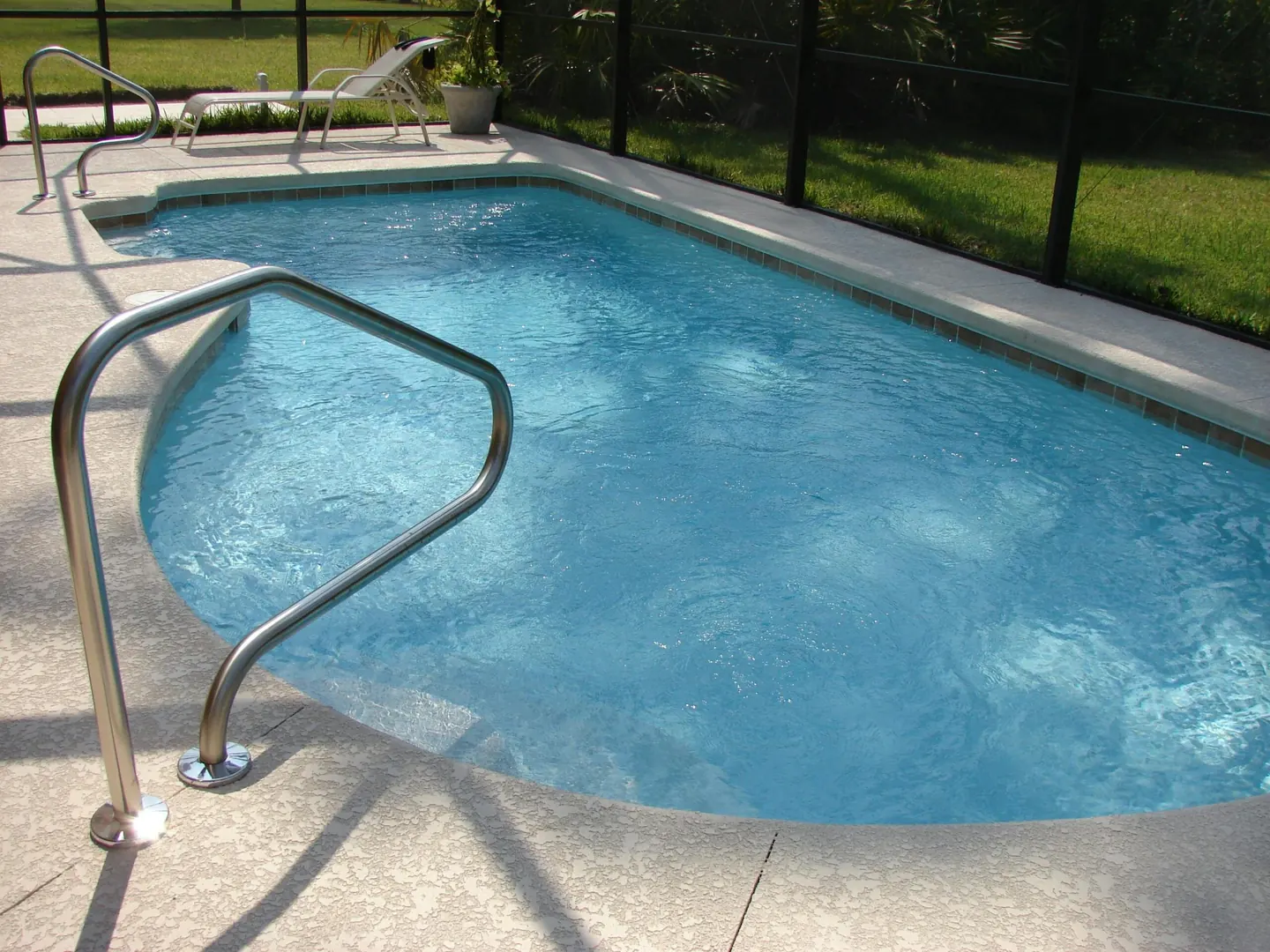
Handling an existing pool during a house build takes planning, steady communication, and a clear sense of priorities. Homeowners who work with a trusted pool building crew often notice that the key is keeping the pool protected while the rest of the property is in motion. This overview walks through assessment, coordination, safety, and maintenance so both the construction project and the pool can move forward without creating extra problems.
Pool Assessment and Preparation
Before construction ramps up, look over the pool carefully so you know its condition. Check for cracks, leaks, worn equipment, or anything that might worsen once the site gets busy. Make sure the filtration system runs smoothly since dust and scraps from the build can reach the water. Adjusting chemicals ahead of time helps the pool handle extra debris. A temporary barrier or cover adds protection from falling materials or unplanned foot traffic. Setting things up early keeps the pool stable through the mess that construction often brings.
Communication With Construction Team
Close coordination between the construction crew and whoever maintains the pool makes the process far easier. Clear contacts on both sides help questions get answered quickly, especially when heavy equipment or major work is scheduled near the pool area. Shared schedules, short check-ins, and straightforward updates keep surprises to a minimum. When everyone knows what’s happening and when, the project moves with fewer interruptions, and the pool stays protected.
Safety Measures and Protection
A construction zone brings hazards, so marking boundaries around the pool area helps protect workers, family members, and the pool itself. Tools should be stored properly, and warning signs near slick areas or material piles help reduce accidents. Regular safety discussions keep the team alert to anything that has changed on-site. Protective gear for workers remains standard, and keeping the pool covered whenever possible reduces the risk of debris, tools, or materials finding their way into the water.
Regular Pool Maintenance Routine
Construction dust can build up quickly, so keeping to a cleaning routine matters. Skimming, brushing surfaces, vacuuming, and emptying baskets keep debris from settling. Checking filters often helps maintain water flow, especially when particles from the job site drift into the area. Testing water chemistry keeps the balance steady and prevents algae or staining. Staying consistent with these habits saves time later and keeps the pool usable, even if the yard around it is busy.
Monitoring Water Quality and Levels
Frequent testing keeps the water stable despite ongoing construction. Checking pH, chlorine, alkalinity, and calcium hardness lets you catch imbalances early. If levels drift too far, equipment can suffer, and the water can turn cloudy. Watching the water level matters too, since construction activity can cause unexpected splashing, evaporation, or blockage around the skimmer. Quick adjustments help the pool stay in good shape throughout the build.