
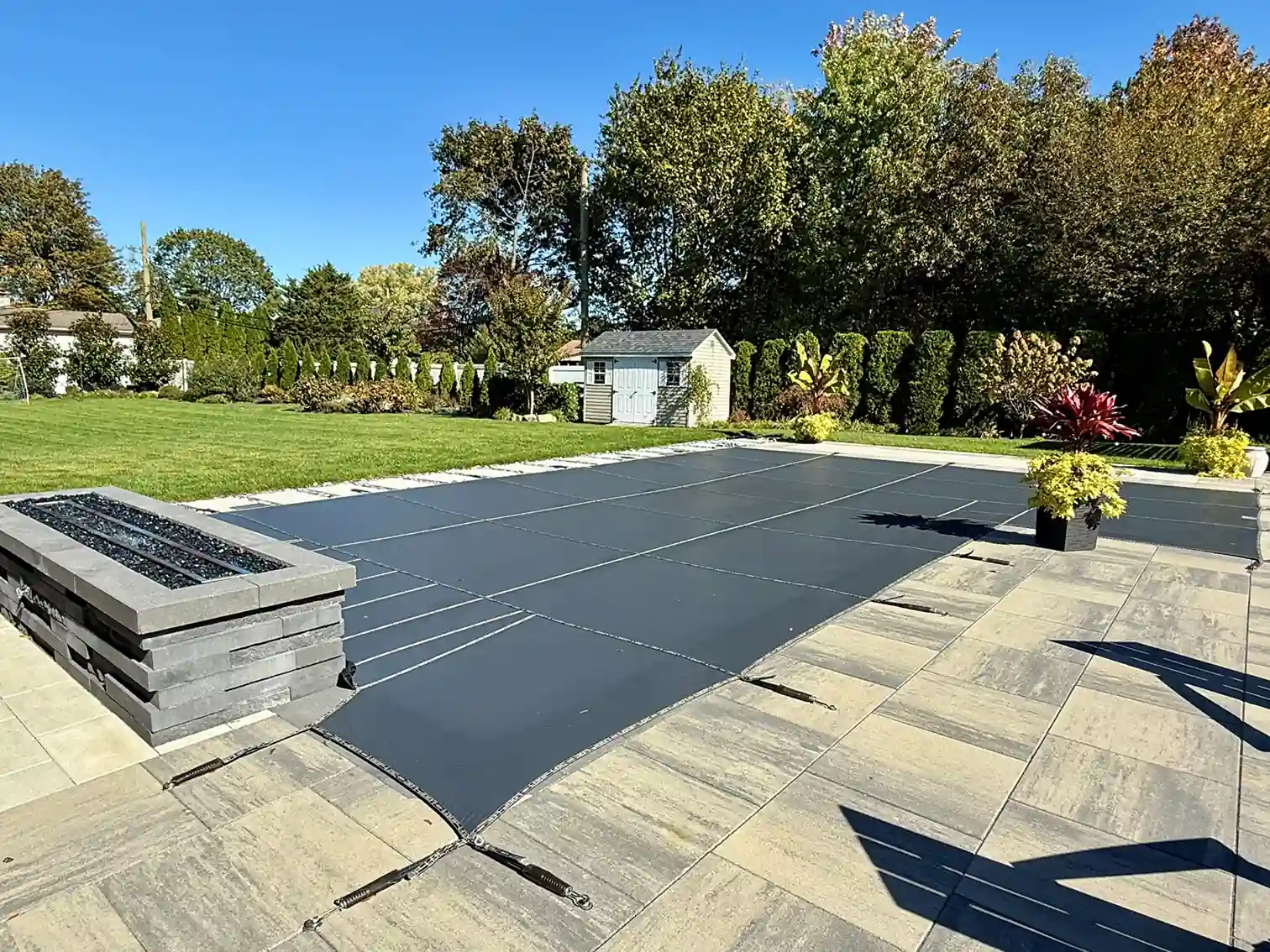
Winter in Texas rarely looks like winter anywhere else. Most of the state sees short cold snaps rather than months of hard freeze, which changes the whole approach to pool winterization. If you’re used to hearing about pools getting shut down completely for the season, that’s typically a northern climate practice. Here in Texas, the smarter move is usually to keep your pool running through winter in a modified way, protecting the equipment and water while staying ready for the occasional freeze event.
At Texas Innovative Pools, we build and maintain pools across the central Texas area, and we get the same questions every fall: do I need to close my pool, what happens if the temperature drops overnight, and how do I keep energy costs reasonable when the equipment still has to run. This guide walks through what pool winterization actually looks like for a Texas backyard.
Why Full Winterization Isn’t Usually Necessary in Texas
In climates where the ground freezes solid for weeks, homeowners drain their pools, blow out the plumbing lines, and cover everything until spring. That process protects pipes and equipment from ice damage that would otherwise crack them. Texas winters don’t typically require that level of intervention, since freezing temperatures here tend to arrive in short bursts rather than sustained stretches.
Instead, most Texas pool owners practice a lighter form of seasonal maintenance:
- Keep the water circulating during cold snaps rather than shutting the system down completely
- Maintain proper chemical balance even though algae growth slows in cooler water
- Protect exposed equipment and plumbing on the nights when a hard freeze is forecast
- Watch the water level and skimmer function through the season
This approach keeps your pool ready to use again as soon as warmer days return, which in Texas can happen even in the middle of winter.
How to Maintain a Pool in Texas During Cold Months
Maintaining a pool through a Texas winter is less about shutting things down and more about adjusting your routine. Here’s what that adjustment typically involves:
- Run your pump on a shorter schedule. Water doesn’t need the same circulation time in cold months since bacteria and algae grow more slowly. A few hours a day is often enough, but always check your equipment manufacturer’s recommendations.
- Keep an eye on freeze warnings. When a hard freeze is expected, running your pump continuously overnight can prevent water from sitting still in exposed pipes and freezing there. Many automated systems include a freeze sensor that does this for you.
- Test water chemistry regularly. Even in winter, pH and sanitizer levels can drift. A monthly check is usually sufficient, though you may want to test more often during unusually warm stretches.
- Clear debris consistently. Falling leaves and windblown debris can clog skimmers and pumps just as easily in December as in July.
- Cover the pool if it will sit unused for extended periods. A cover reduces heat loss, keeps debris out, and cuts down on chemical use while the pool isn’t in regular rotation.
If you’re working with an older pool or one that wasn’t originally built with Texas’ shifting soils and climate in mind, winter can also be a good time to schedule an equipment inspection or consider a pool remodel before the next swim season arrives.
Protecting Your Equipment When Temperatures Drop
Freeze damage is the biggest risk to a Texas pool in winter, and it usually affects exposed plumbing, pumps, and filters rather than the pool structure itself. A few practical habits go a long way:
- Insulate any exposed above-ground plumbing with foam pipe wrap
- Keep equipment pad areas clear so cold air doesn’t pool around sensitive components
- Consider a freeze protection device if your system doesn’t already have one built in
- Drain and store cleaning equipment like automatic pool cleaners that aren’t rated for cold exposure
For homeowners planning a new build or major renovation, these are worth discussing during the design phase. A well-planned custom pool can incorporate equipment placement and plumbing routes that reduce freeze exposure from the start.
Energy Efficient Pool Equipment for Year-Round Savings
Winter maintenance is also a good time to think about how efficiently your pool equipment is running. A pool that circulates water constantly, even at reduced schedules, adds up on your utility bill over months. A few upgrades can make a real difference:
- Variable speed pumps adjust their output based on what the system actually needs, rather than running at a single fixed speed. This can meaningfully reduce energy use compared to older single-speed pumps.
- Pool covers reduce evaporation and heat loss, which means less energy spent reheating or refilling the pool.
- LED pool lighting uses a fraction of the electricity of older incandescent fixtures if you’re using your pool area after dark during shorter winter days.
- Programmable automation systems let you fine-tune run times so the pump isn’t working harder than the season requires.
An energy efficient pool isn’t just a winter consideration, but the cooler months are often when homeowners notice equipment inefficiencies most clearly, since the system is running on a lighter workload and any waste stands out on the bill.
Frequently Asked Questions
Do I need to close my pool for winter in Texas?
Most Texas homeowners don’t need a full winter shutdown. Keeping the system running on a reduced schedule, with extra attention during freeze warnings, is usually enough.
How cold does it need to get before I should worry about my pipes?
Exposed plumbing is at risk once temperatures approach freezing, especially overnight. Running your pump during those hours helps keep water moving and reduces the chance of ice forming inside the lines.
Can I still swim in my pool during a Texas winter?
Depending on your location and whether you have a heater, many Texas pool owners do swim on warmer winter days. A properly maintained pool stays ready to use whenever the weather cooperates.
Is it worth upgrading equipment in the winter?
Winter is often a convenient time for equipment upgrades or repairs, since the pool is seeing lighter use and any downtime is less disruptive than it would be in peak summer months.
Getting Your Pool Ready for Whatever Texas Winter Brings
Texas winters don’t call for the dramatic shutdown process homeowners in colder states go through, but they do call for attention. Keeping water circulating during freeze events, staying on top of chemical balance, and choosing energy efficient equipment all work together to protect your investment and keep your pool ready for the next warm day. If your current setup isn’t holding up the way it should, or you’re considering a new pool built with Texas conditions in mind from day one, our team is ready to help you plan ahead.